
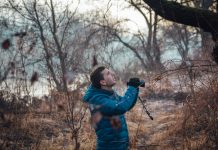
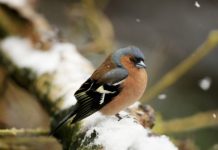
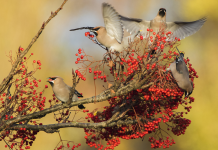
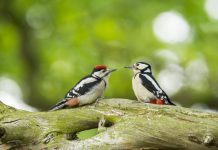

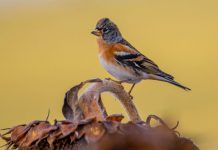
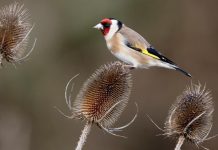
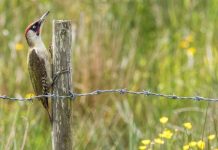
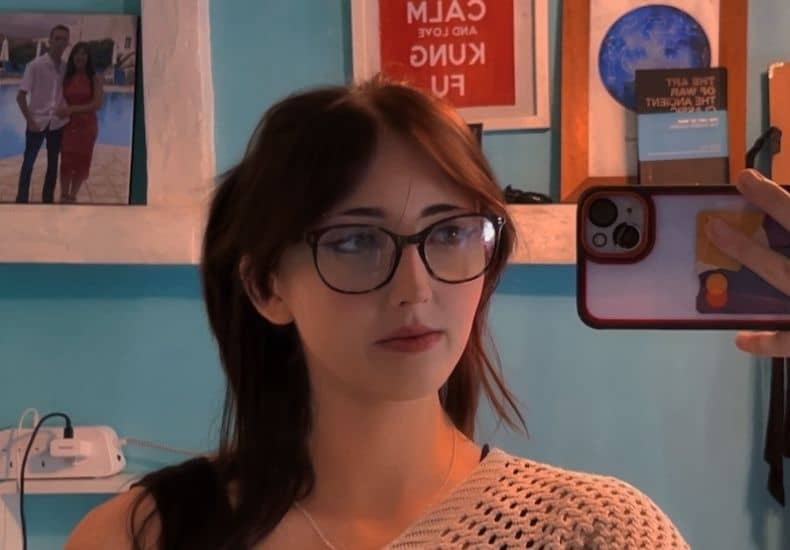
To celebrate the growing trend of young birdwatchers, Happy Beaks spoke with Sydney Jones, also known as @the.alt.birder, a wildlife enthusiast who’s loved observing birds since childhood. She bravely shares how birdwatching helped her overcome struggles with depression and drug addiction, using nature as a form of therapy.
How did you first get interested in bird watching?
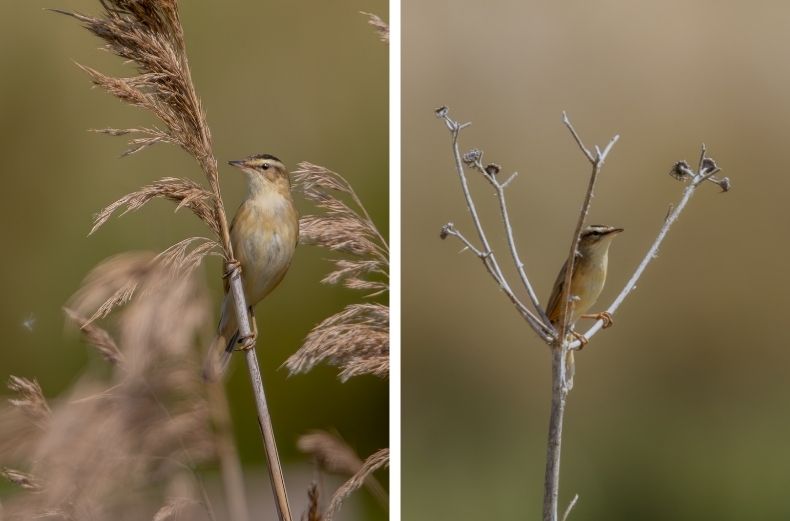
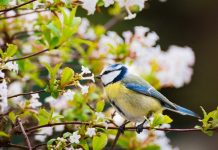
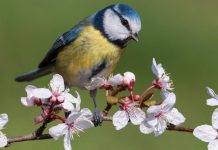
When I was young, my grandparents had bird-box cameras connected to the TV that streamed live footage. They had blue tits nesting and I’d watch them for hours – even when they were just sleeping. As I grew up, I became fascinated by their complex behaviours and personalities and wanted to observe how they changed over time.
What’s your favourite bird?
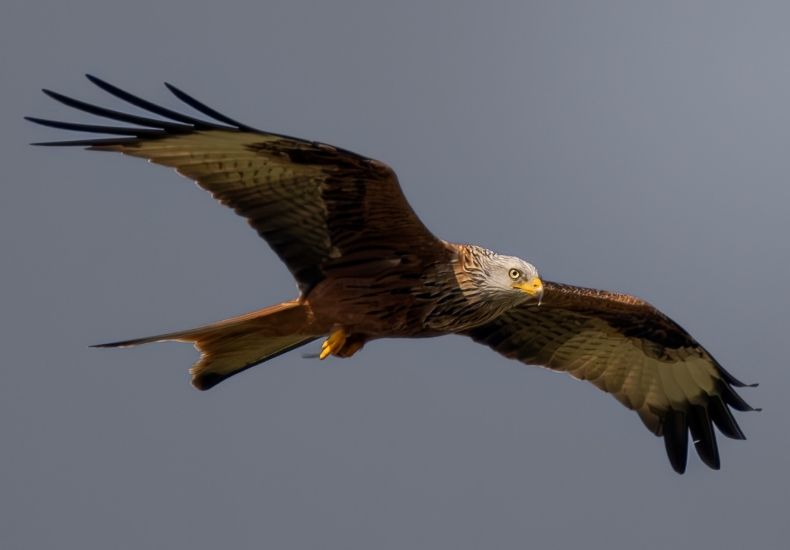
While my favourite bird is the Kingfisher for its agile behaviour and beauty, Red Kites will always hold a special place in my heart. One day, I was birdwatching at the coast and saw two flying over a partridge, waiting for the perfect moment to strike. I got out of the car, taking photos while keeping a safe distance, when suddenly the Red Kites focused their attention on me. They circled just seven feet above me and I felt, instantly, like a small hare being hunted.
What are your top tips for successful birding?
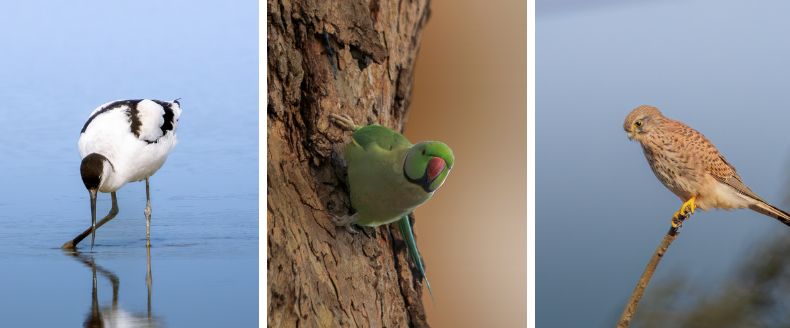
A tip I always share with fellow birdwatchers is to try and identify the best times to spot each species. Many birds prefer sunny days with little wind, which makes hunting easier. Colder months can be especially good for spotting birds of prey, as they often perch in the trees among the colourful leaves.
How has birdwatching changed your life?
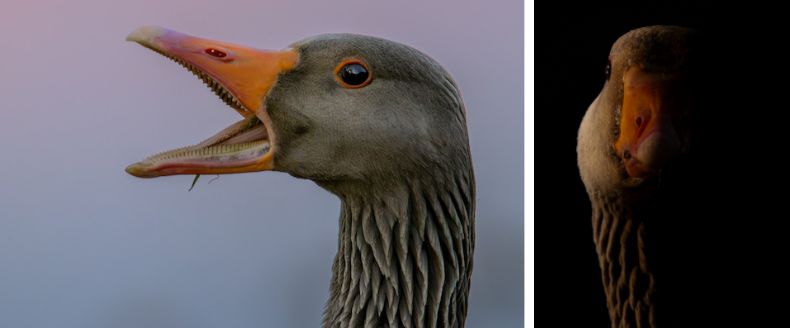
I started birdwatching during a very difficult time in my life while struggling with mental health and drug addiction. Over time it has become a form of therapy; taking my camera to a nature reserve helps me feel calmer. Regular birdwatching is also scientifically shown to improve happiness and wellbeing.
I always try to encourage more young people to give it a try. At first it may feel ‘cringe’ or ‘unnecessary’ especially since it’s often labelled an ‘Old Person’s Hobby’ but birdwatching is nothing like that. Put your phone down and learn to appreciate the world around you!
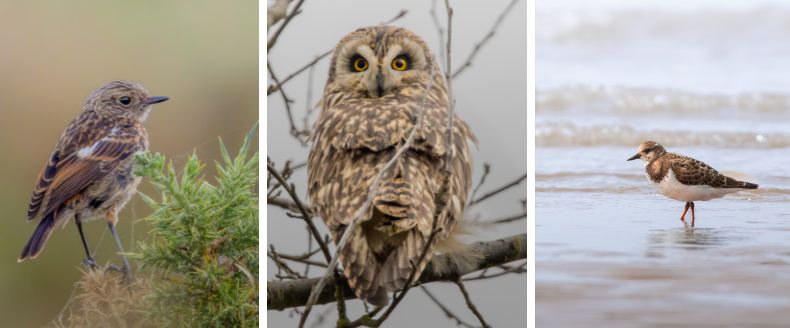
A new member of our ‘Featured Bird Watcher’ series, follow @the.alt.birder for stunning bird photography and wildlife adventures from coast to countryside. If you’ve been inspired to try birdwatching at home, check out our guide to attracting birds to your garden with specialist seed mixes and feeders.
Lead image courtesy of Sydney Jones.

, a young birdwatcher, turned her love for birds into therapy, overcoming depression and addiction.)