
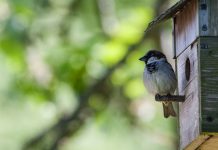
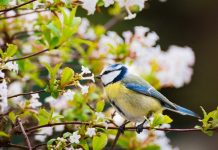

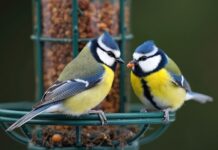

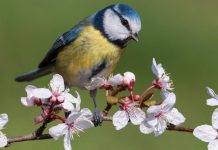
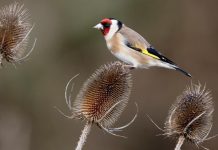

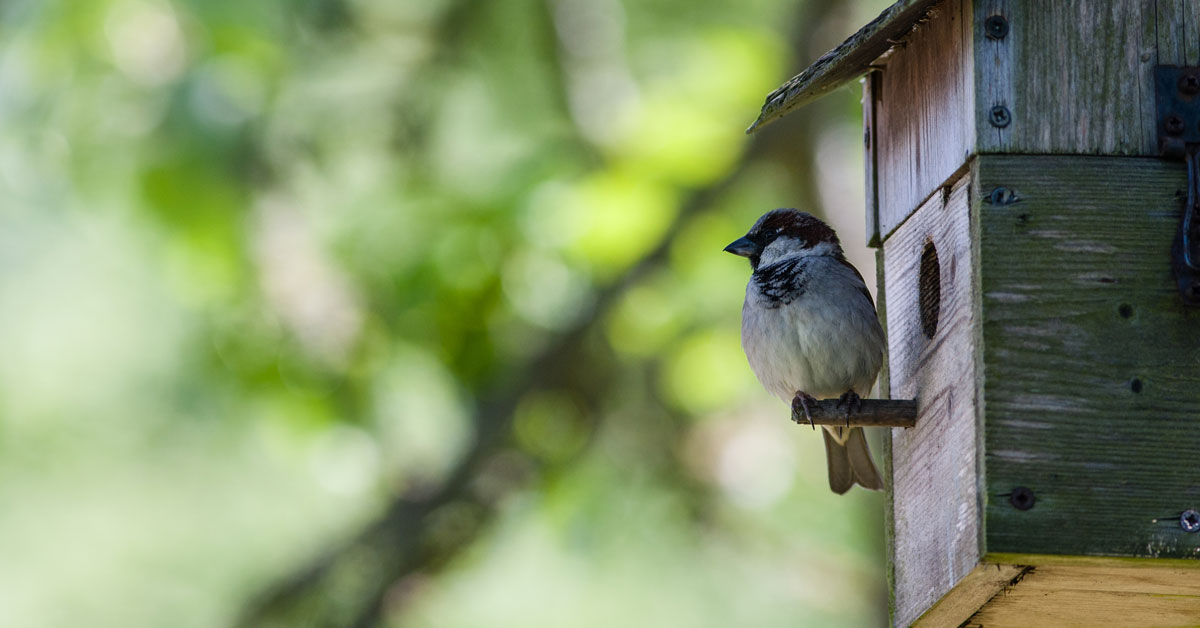
The results of this year’s RSPB’s Big Garden Birdwatch are in, and the five birds most commonly seen in the UK were House Sparrows, Blue Tits, Starlings, Woodpigeons and Blackbirds.
Even though House Sparrows remained in first place for the 23rd year in a row, records show that the population has declined by 7% over the last decade. And the number of Greenfinches is thought to have dropped by a whopping 67% since the survey began in 1979.
So what can you do to help support wild birds? Here are three top tips from the RSPB…
1. Make good hygiene your main priority
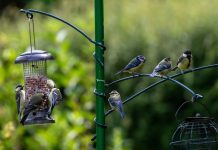
According to the RSPB, one of the most important ways to support the local bird population is to focus on hygiene. That’s because busy bird feeders and bird baths can become disease hotspots if they’re not thoroughly cleaned.
They’re asking everyone to give feeders and bird baths a good scrub at least once a week. Specialist bird hygiene products will help you to sanitise feeders and bird baths safely.
2. Provide clean tap water every day
Providing a supply of fresh, clean water is a great way to support wild birds. However the RSPB only recommends doing this if you can change it every day. They also ask that you use fresh tap water, and thoroughly clean the watering station at least once a week, along with your feeders.
3. Choose your feeders and bird food carefully
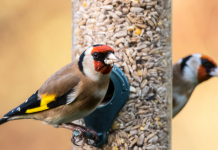
Research shows that flat feeders are more likely to spread disease because contaminated food can collect on the surface. For this reason, the RSPB recommends using an alternative style, and moving your feeders around regularly to avoid contaminated debris building up underneath. Be sure to clean away any spilled debris on the ground too.
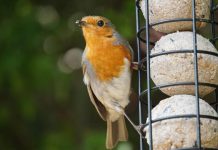
Do you like to feed the birds all year round? Recent advice is to pause the use of regular bird seed from May to October, and offer small amounts of mealworms, suet or fatballs instead.
Is it safe to feed garden birds in the summer?
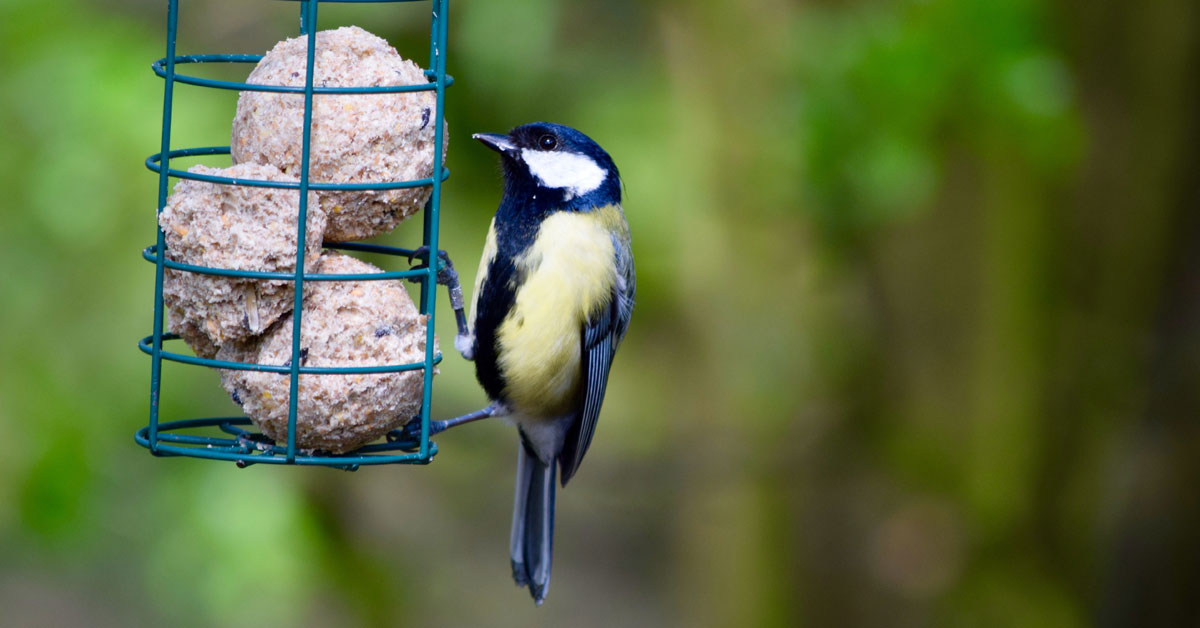
Image: Fat Balls from Happy Beaks
Preventing the spread of disease is vital to keep our wild birds safe. Beccy Speight, Chief Executive of the RSPB said:
“Feeding birds is something millions of us love and value, but the science shows us that birds such as Greenfinches have been affected by the spread of disease at feeders. We’re not asking people to stop feeding, just to feed in a way that protects birds’ long-term health. By making small changes together, we can ensure garden feeding continues to be a positive force for nature.”
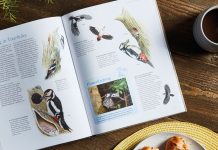
Read our articles for more information on good bird feeding hygiene and feeding suet to garden birds here. Not sure how to identify the birds that visit your garden? Browse our Garden Bird Library for information on more than 50 varieties.