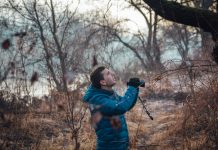

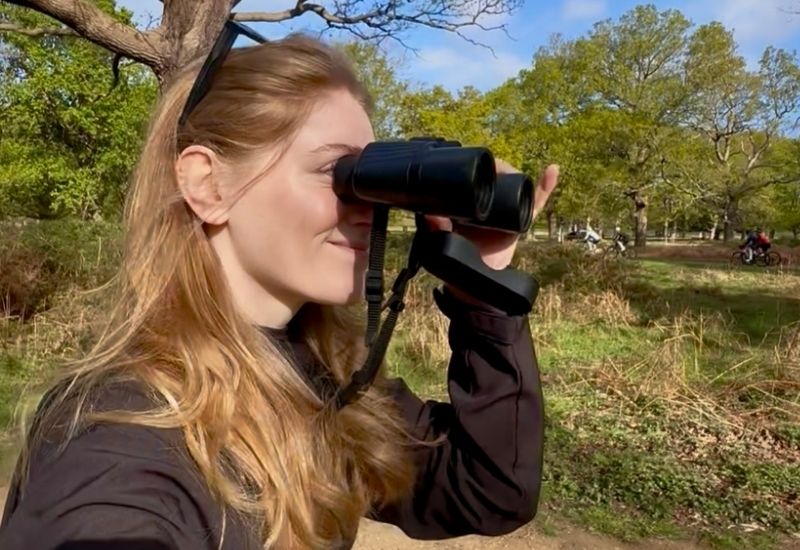
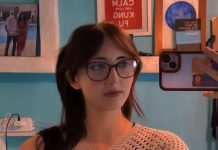
As part of a regular series that shines a spotlight on inspirational birders, the Happy Beaks team was delighted to catch up with Becca, also known as @birdswithbecca. Raised in a nature-loving family, she explained that birdwatching has been part of her life for as long as she can remember, but only later became something she fully embraced and turned into a platform for inclusion, accessibility and inspiration.
How did you first get interested in bird watching?
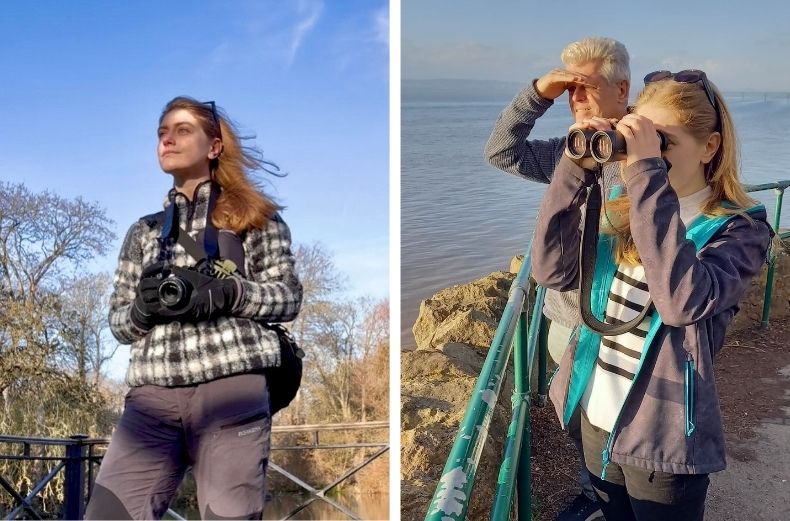
I didn’t really “get interested” in birdwatching – I grew up with it. My dad and grandad were keen birders, and my mum and grandma are both knowledgeable about plants, wildflowers and butterflies, so being in and around nature was just part of how I was raised. As I got older, I started to hide my love of birdwatching because it felt uncool and I’m not a scientific expert, so I wasn’t sure I belonged.
That all changed when I turned 30. I started volunteering with RSPB Wildlife Explorers, started Birds with Becca in December 2025, and stopped pretending not to care about birds and wildlife.
What’s your favourite bird?
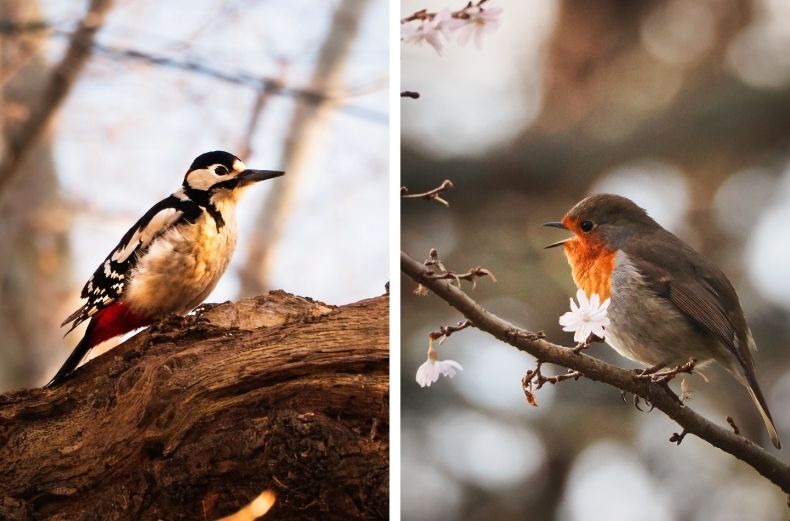
I don’t really have a favourite. I joke that I say “ooh I love a [insert bird here]” about whatever bird someone mentions!
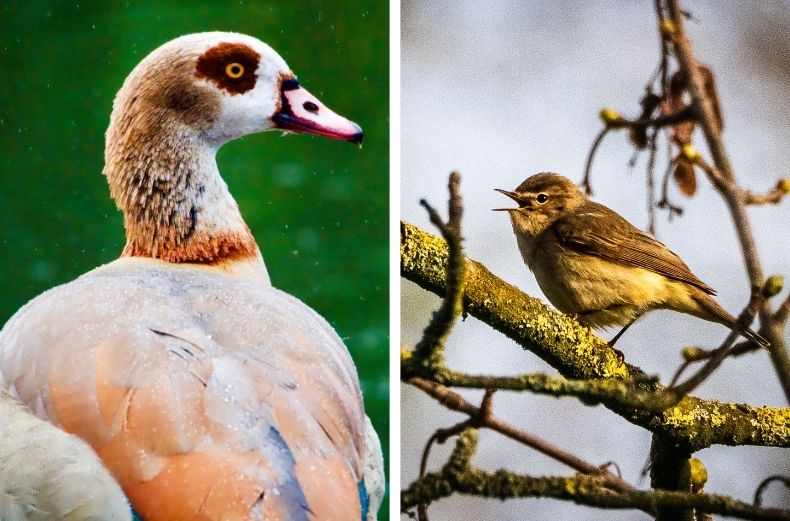
However, I do have a soft spot for birds with what I call “bad PR”. Pigeons, gulls, corvids – the ones people dismiss or actively dislike. They’re usually so much more interesting than commonly believed. A crow is one of the most intelligent animals in the UK; the herring gull is a masterclass in adaptability, and pigeons have saved lives. They just haven’t got good enough publicists.
I always get very excited about a kingfisher; it’s something that was always talked about as being super special when I was little.
What are your top tips for successful birding?
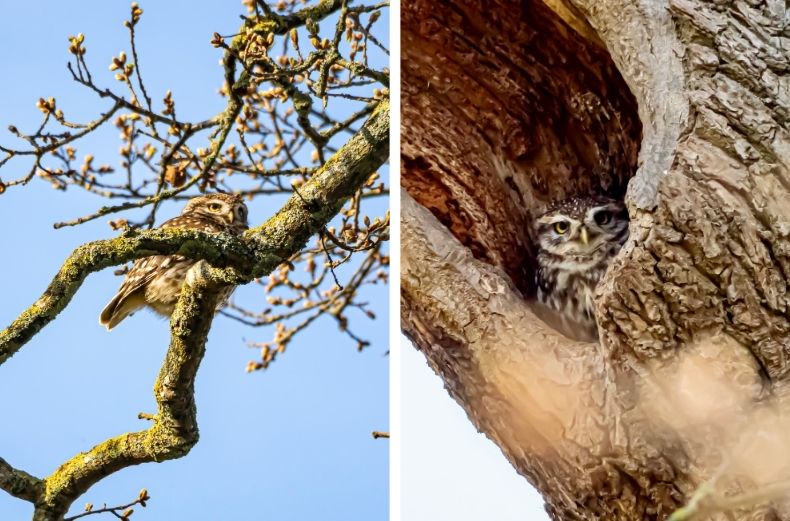
One tip I would give to people wanting to start birding is to start where you are. Your garden, your commute, your local park, or even just out of your window. You don’t need specialist kit or countryside access to start. If you’ve spotted a bird wandering around the train station on the way to work and considered what it might be, then you’ve birdwatched. It’s all about slowing down enough so that you’re listening and looking at the world around you. It’s okay not to know the answer and it’s okay to get it wrong – it means you’re learning.
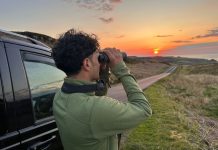
There are also so many brilliant apps nowadays that make it even more accessible and most are free. If you do want binoculars, they don’t need to be expensive or new. I used my dad’s old, old ones for years.
How has birdwatching changed your life?
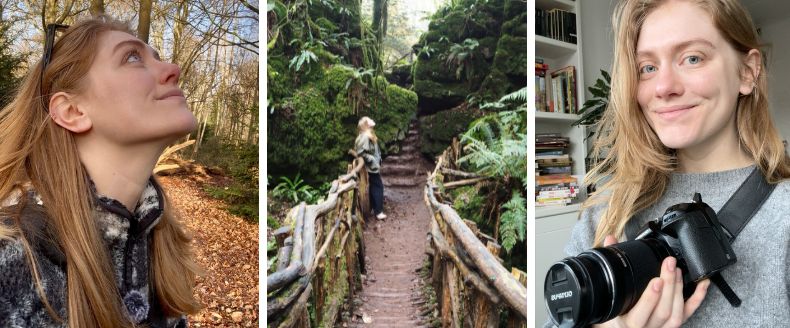
Birdwatching gave me back something I’d spent years pretending I didn’t want. It’s the thing that gets me outside, slows me down, and connects me to something bigger than my to-do list. As someone with ADHD and autism, and a long to-do list in and out of work, it can be a daily battle between the structure and chaos parts of my brain, and I can’t say enough how much just being outdoors and slowing down impacts my nervous system.
It’s also shown me how many other people felt locked out of natural spaces – disabled people, people from ethnic minority groups, LGBTQ+ people, people from lower socioeconomic backgrounds. The whole point of Birds with Becca is to make it feel like it’s for everyone, because it is.
Is there anything else you’d like to tell us about
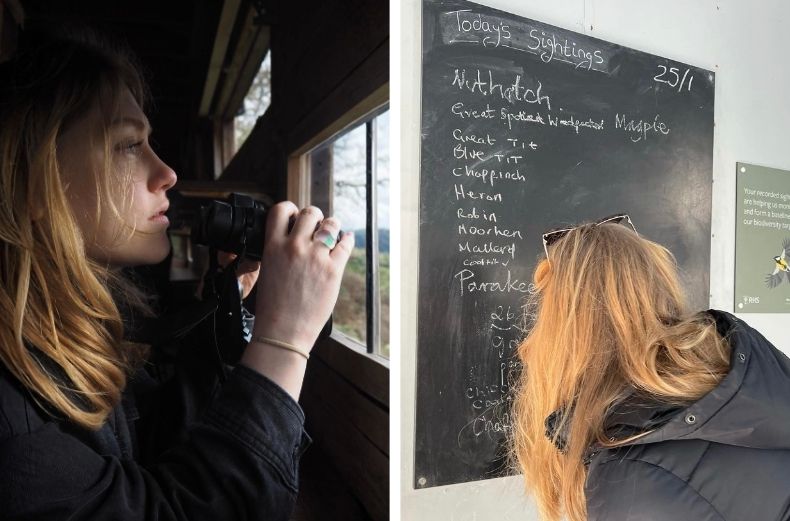
One of the things that’s surprised me most is how many younger people are getting into nature and just… not caring that it’s not cool. That shift feels really significant, and I find it genuinely exciting to be part of it.
I also never thought my love of wildlife and my work in inclusion and accessibility would ever overlap, but I’ve recently landed a role working in this space professionally, which still doesn’t feel quite real.
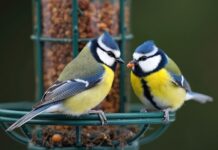
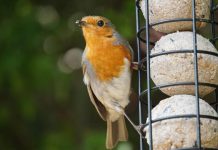
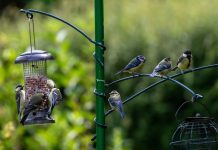
A new addition to our ‘Featured Bird Watcher’ series, follow @birdswithbecca for honest, accessible birding inspiration and a fresh perspective on making nature more inclusive for everyone. If you’ve been inspired to start birdwatching at home, explore our guide to attracting birds to your garden with specialist seed mixes and feeders.
Lead Image courtesy of Becca Heywood
 turned a lifelong love of birds into a platform for inclusion and accessibility in birdwatching.)